
Panning Drums: Perspectives
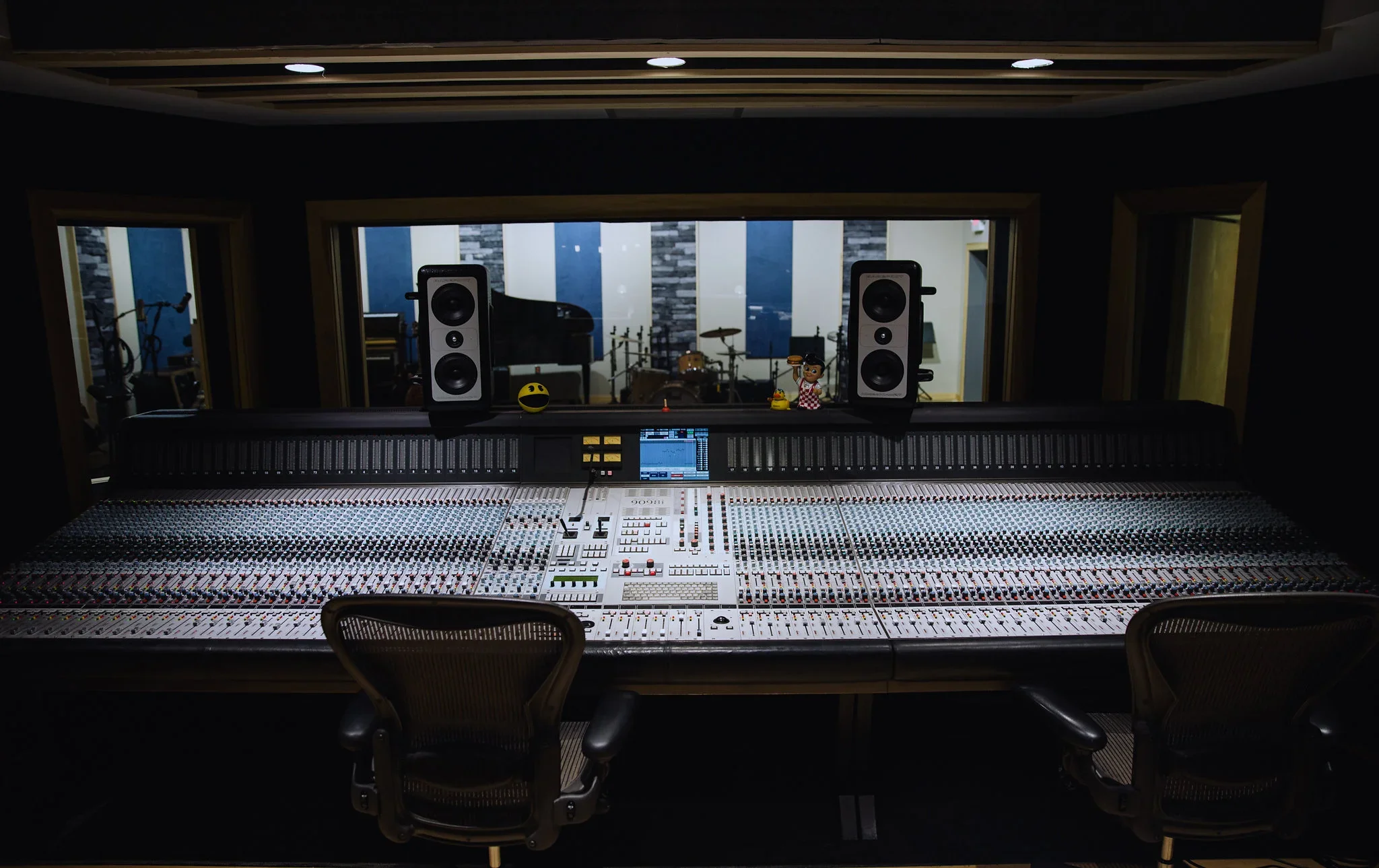
Ask any experienced mixing engineer about recording techniques, and they'll likely start with: "There are no hard and fast rules…"
And it's absolutely true. When it comes to recording and mixing, there are no ironclad rules. While there's plenty of solid advice to point you in the right direction, what ultimately matters is that your drums sound great.
With that in mind, let's dive into panning drums. There are two main perspectives you'll encounter when dialing in your drum mix:
Drummer's Perspective vs. Audience Perspective
Whether you're working with eight to ten drum tracks or more, you'll typically approach panning from one of two viewpoints: from behind the kit (drummer's perspective) or from in front of it (audience perspective).
Start with Intentional Panning
First and foremost: don't leave every drum track sitting dead center in your mix. Spreading your drums across the stereo field gives the rest of your instruments room to breathe and creates a more dimensional, professional sound.
That said, you don't need to hard pan everything to the extreme left or right by default. Thoughtful placement of drum tracks in your mix is an art form—use subtle positioning when it serves the song.
When to Use LCR Panning
LCR (Left-Center-Right) panning can be incredibly useful when you have a dense arrangement with many instruments competing for space. With this technique, you hard pan everything either left, center, or right—typically keeping only kick and snare in the center, while everything else gets hard panned. As always, let your ears be the final judge.
The Two Perspectives Explained
From the Drummer's Point of View
Personally, I prefer panning from the drummer's perspective. As a drummer, it doesn't sound natural to hear the floor tom in my left ear when I know it sits to my right when I'm playing.
Here's my approach:
Start by panning your overheads first (hi-hat on the left, floor tom on the right)
Pan each individual track as you'd hear it from behind the kit
Arrange your tracks in your DAW's mix window to mirror a "pyramid-like" panning scheme for easy visual reference
The Audience Perspective
The alternative is panning from the audience's point of view. When you're watching a band perform live, you hear the kit reversed—the hi-hat is on your right, floor tom on your left (assuming a right-handed drummer).
If this is your preferred approach, simply reverse the drummer's perspective panning scheme.
Pro Tip: Smart Track Naming
Instead of labeling your overhead tracks as "OH Left" and "OH Right," try naming them "OH Hat" and "OH Ride." This simple change makes it much easier to determine which panning technique you want to apply, regardless of which perspective you choose.
The Bottom Line
There's no right or wrong answer here. What matters most is that your entire mix sounds cohesive and the instruments blend well together. Both perspectives can yield professional, polished results—it's all about what serves the song and sounds best to your ears.
Connect
Free eBooks
Free resources including the home studio guide, snare drum tuning, gear lists and 10 essential ways to get better sounding drums.
